

Why Do Wildebeest Migrate? Understanding Africa’s Great Migration
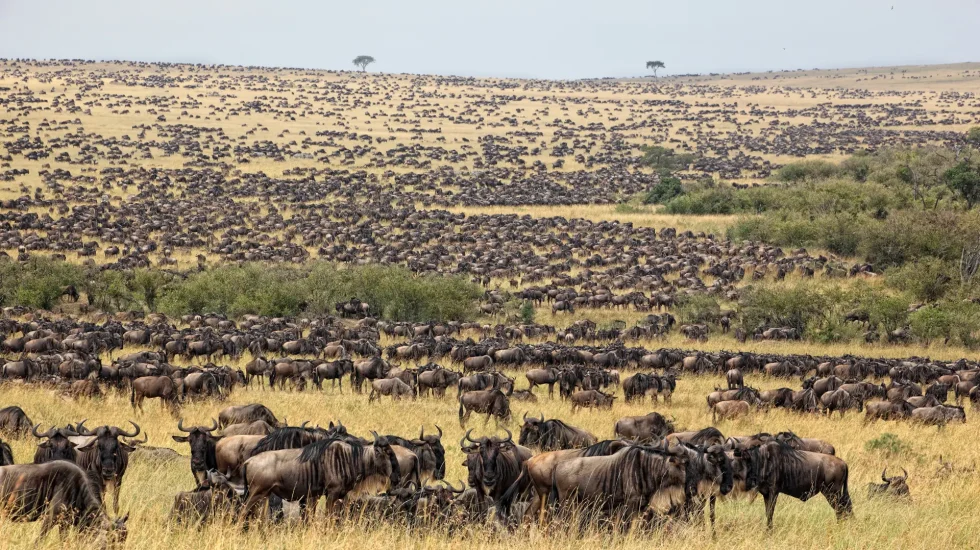
Every year, millions of wildebeest undertake one of the most remarkable journeys in the natural world: the Great Migration. This awe-inspiring movement spans thousands of kilometers across the plains of Serengeti National Park and Maasai Mara National Reserve, involving not just wildebeest, but zebras, gazelles, and countless birds.
For travelers planning a luxury safari in Tanzania, understanding why wildebeest migrate is essential. This insight adds depth to the safari experience, transforming a simple wildlife sighting into a fascinating story of survival, adaptation, and nature’s rhythms.
1. The Science Behind Wildebeest Migration
Wildebeest migration is driven primarily by survival instincts. Unlike some animals that remain in a single territory year-round, wildebeest are nomadic by necessity, constantly seeking water and fresh grazing.
Food Availability
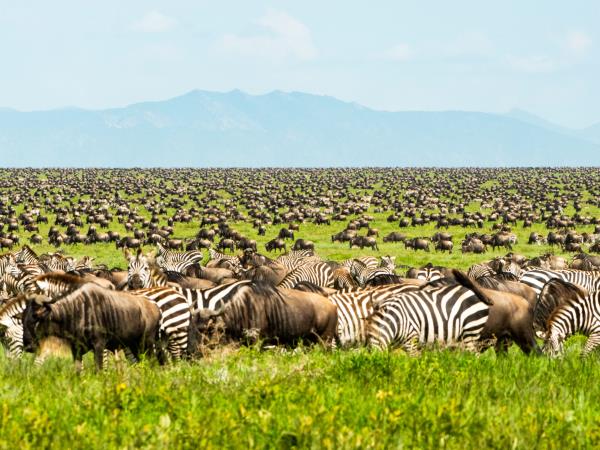
The most important factor behind migration is grass. Wildebeest are herbivores that feed on short, nutrient-rich grasses. During the dry season in southern Tanzania, the grass becomes sparse, prompting the herds to move northwest toward the lush plains of the Serengeti and eventually into Kenya. This continuous search ensures they have enough food to sustain the enormous herds.
Water and Seasonal Rains
Water availability is another key driver. Wildebeest follow the rains, which dictate the growth of grasses. The timing and direction of seasonal rains influence the migration route, meaning the herds are constantly moving to areas with sufficient rainfall.
Predator Avoidance
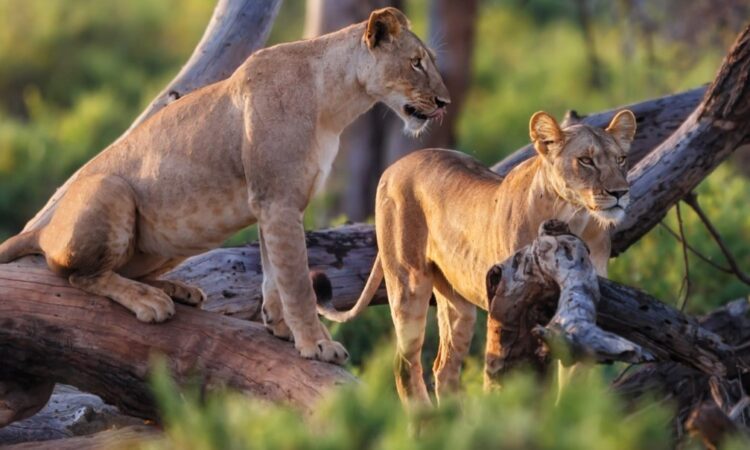
Migration also helps wildebeest manage predation. While large predators like lions, hyenas, and crocodiles remain a constant threat, moving in massive herds reduces individual risk. Safety in numbers ensures that even the most vulnerable members, including calves, have a higher chance of survival.
2. The Annual Migration Cycle
Understanding the migration cycle helps explain why wildebeest migrate in such enormous numbers. Their movement is not random; it is a well-coordinated journey following the ecological rhythms of the region.
January to March: Calving in the South
In the southern Serengeti plains, particularly around the Ndutu area, wildebeest give birth to hundreds of thousands of calves. This is the peak of calving season, timed perfectly with the availability of nutrient-rich grass, which supports lactating mothers and young calves.
April to May: Moving Northwest
As the wet season begins, wildebeest start moving northwest, following the growth of fresh grasses. While this part of the journey is less dramatic than the river crossings, it is crucial for maintaining herd health and avoiding overgrazing.
June to October: Northern Serengeti and Mara River
By mid-year, the herds reach the northern Serengeti and, ultimately, the Mara River in Kenya. This phase is the most visually spectacular, with dramatic river crossings and predator-prey interactions that have become iconic wildlife images.
November to December: Returning South
After months in the north, the herds gradually move back south toward Tanzania as the short rains rejuvenate the southern plains. This completes the cycle, ensuring that wildebeest have access to fresh grazing year-round.
3. Evolutionary Reasons for Migration
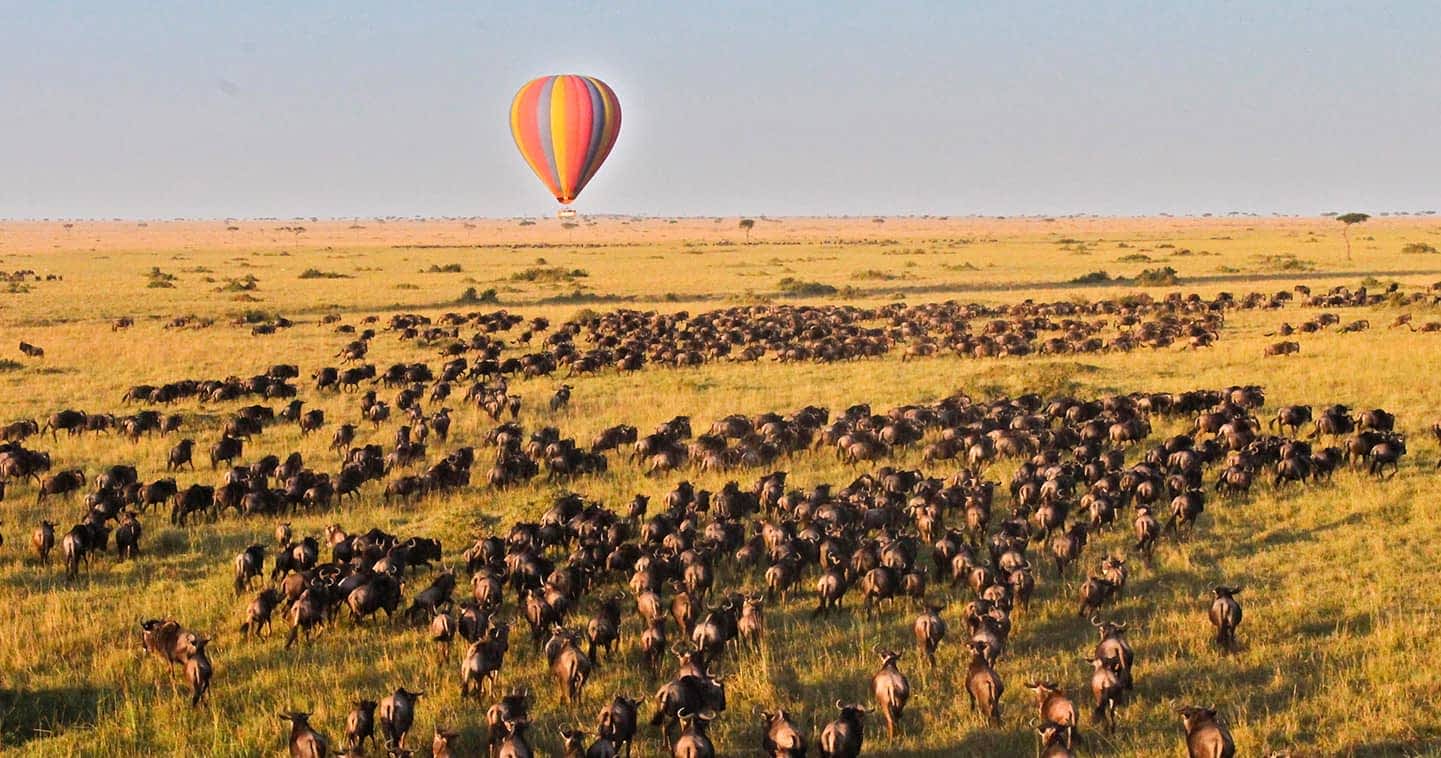
Beyond immediate survival, migration is an evolved behavior that has shaped wildebeest biology and social structures over millennia.
Genetic Adaptation
Migratory behavior ensures genetic success. By moving to areas with abundant resources, wildebeest increase the survival rate of calves, ensuring the next generation thrives. Herd synchronization, especially during calving season, reduces predator impact and maximizes reproductive success.
Social Behavior and Herding Instincts
Wildebeest are highly social animals. Migration reinforces herd bonds and coordination, which are critical for survival during long journeys. Herding also allows for collective decision-making, such as when to cross rivers or avoid dangerous terrain.
Ecological Impact
Interestingly, wildebeest migration has broader ecological benefits. Their grazing patterns help maintain grassland ecosystems, prevent overgrowth, and even support predator populations. By moving in huge numbers, wildebeest play a pivotal role in shaping the Serengeti and Mara landscapes.
4. Human Influence on Migration Patterns
Although migration is primarily natural, human activity can influence its course.
- Conservation Efforts: Protected areas like Serengeti National Park and Ngorongoro Conservation Area help maintain safe corridors for migration.
- Agricultural Expansion: Encroachment of farmland can block traditional migration routes, creating bottlenecks and increasing mortality.
- Tourism Management: Well-managed safari tourism can coexist with migration, offering visitors incredible wildlife experiences while minimizing stress on animals.
Working with responsible safari operators ensures that luxury safari guests witness migration sustainably, supporting conservation efforts.
5. Why Witnessing Migration Is a Must on Safari
Understanding why wildebeest migrate enhances the safari experience. Observing millions of animals moving across vast landscapes is more than a visual spectacle it is a lesson in ecology, survival, and the interdependence of species.
Luxury safari operators in Tanzania often design itineraries around the migration cycle, offering:
- Expert-guided game drives
- River crossing viewing points
- Calving season safaris in southern Serengeti
- Optional extensions to Ngorongoro, Tarangire, and Lake Manyara for added diversity
By aligning your visit with key migration phases, you gain a deeper appreciation for this natural phenomenon, while enjoying the comfort and exclusivity of high-end lodges and tailored safari experiences.
Conclusion
Wildebeest migrate because survival depends on it. Driven by food, water, predator avoidance, and evolutionary instincts, these animals undertake a grueling journey that spans thousands of kilometers each year. The migration is a testament to nature’s rhythm, resilience, and interconnectedness.
For travelers seeking to witness this awe-inspiring event, a luxury safari in Tanzania offers not only comfort and style but also a window into one of Earth’s most extraordinary natural spectacles. From calving season in the southern Serengeti to dramatic river crossings in the north, understanding why wildebeest migrate brings meaning and context to every moment spent in the wild.
A Once-in-a-Lifetime Safari Crafted for You
Contact Us for the Best Choice of Your Safari