

Where Is Mount Kilimanjaro Located? Exploring Africa’s Highest Peak
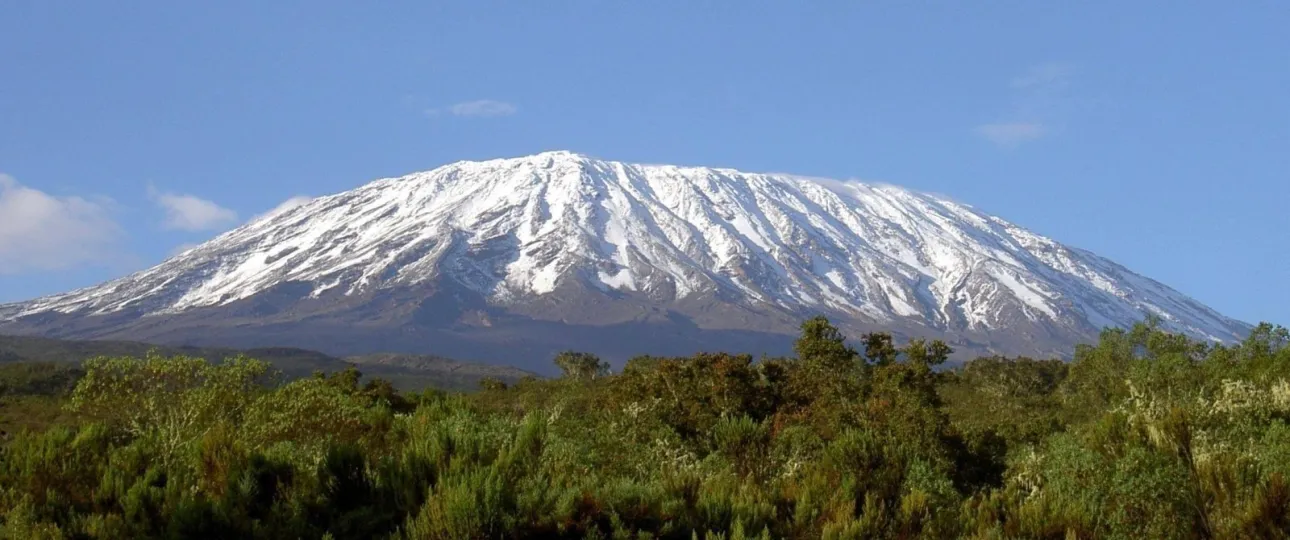
Mount Kilimanjaro is one of the most iconic landmarks in Africa, attracting adventurers, trekkers, and safari enthusiasts from around the world. As the highest mountain on the continent, standing at 5,895 meters (19,341 feet), Kilimanjaro is a breathtaking natural wonder that offers a unique blend of adventure, wildlife, and cultural experiences. For travelers planning a luxury safari and climbing adventure in Tanzania, understanding where Mount Kilimanjaro is located is essential for logistics, planning, and ensuring an unforgettable journey.
1. Geographic Location
Mount Kilimanjaro is located in northern Tanzania, near the border with Kenya. The mountain is part of the Kilimanjaro Region and is roughly 200 kilometers (125 miles) east of Arusha, Tanzania’s main safari gateway. Its position near the East African Rift gives Kilimanjaro unique geological and ecological characteristics.
The mountain is a free-standing stratovolcano composed of three volcanic cones:
- Kibo: The highest cone, home to Uhuru Peak, the summit of Kilimanjaro
- Mawenzi: The rugged, jagged eastern cone
- Shira: The western plateau, now largely eroded
This unique formation makes Kilimanjaro visible from vast distances, creating a striking landmark on the Tanzanian horizon.
2. Proximity to Key Cities and Safari Destinations
Kilimanjaro’s location offers easy access to both climbing routes and nearby safari destinations:
- Arusha: Approximately 50 kilometers southwest, Arusha serves as the main hub for climbing expeditions and northern Tanzania safaris. It has an international airport, luxury hotels, and safari tour operators.
- Moshi: About 40 kilometers from the mountain’s base, Moshi is the closest town and the primary starting point for all trekking routes.
- Nearby National Parks: Kilimanjaro is within easy reach of world-famous parks, including Tarangire National Park, Lake Manyara National Park, and the Ngorongoro Conservation Area. This makes it possible to combine mountain trekking with luxury wildlife safaris in a single trip.
The mountain’s location also provides access to scenic villages, coffee plantations, and cultural experiences with local Chagga communities.
3. Climatic and Ecological Zones
Mount Kilimanjaro is renowned for its diverse ecological zones, all influenced by its unique geographic location:
- Cultivation Zone (800–1,800 m): Fertile farmland and local villages surround the base of the mountain.
- Rainforest Zone (1,800–2,800 m): Dense tropical forests, home to monkeys, birds, and exotic plants.
- Heath and Moorland Zone (2,800–4,000 m): Characterized by shrubs, giant heathers, and unique flora.
- Alpine Desert Zone (4,000–5,000 m): Sparse vegetation, harsh temperatures, and rocky terrain.
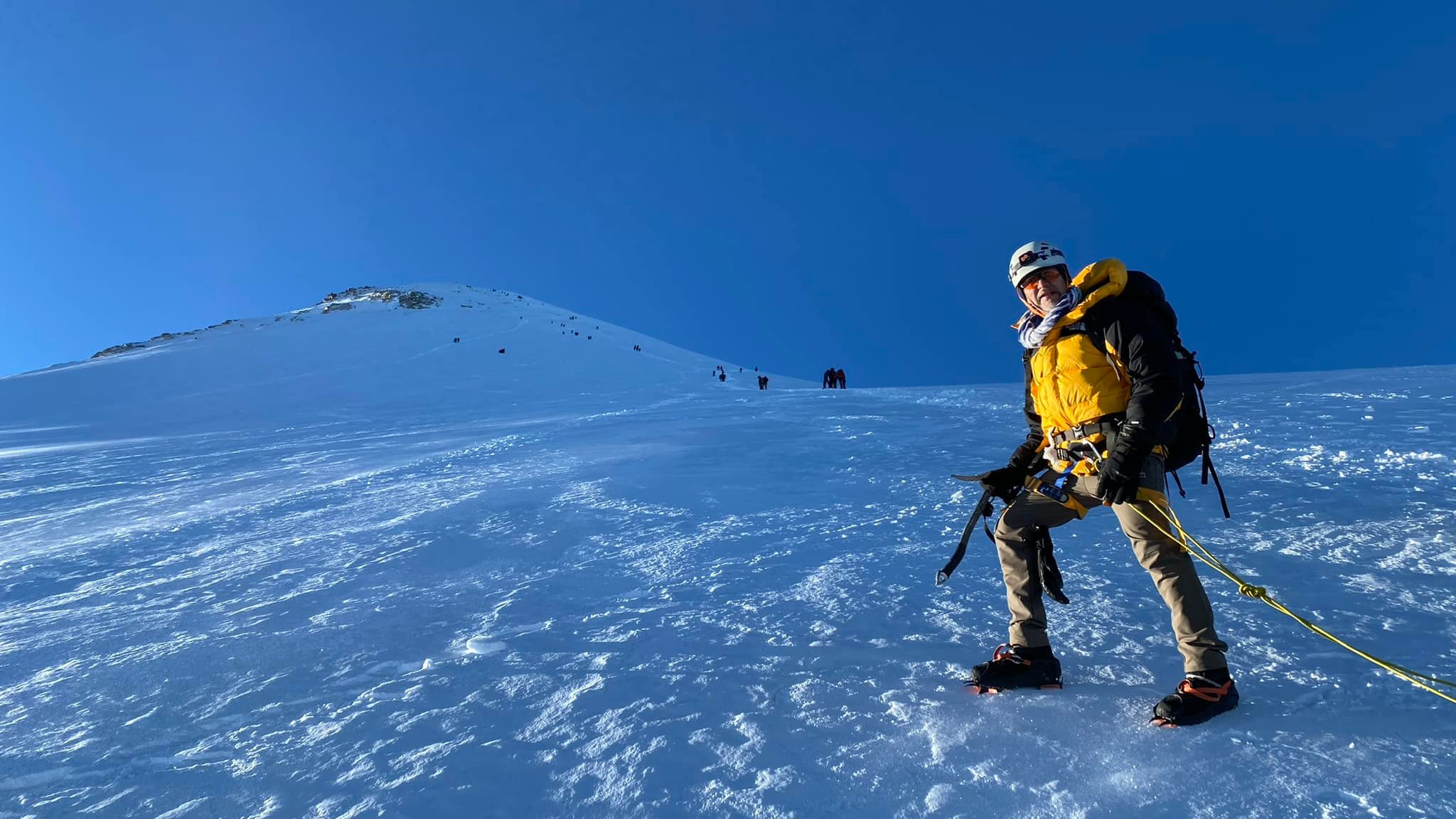
- Arctic Summit Zone (5,000–5,895 m): Glaciers, ice fields, and extreme conditions at Uhuru Peak.
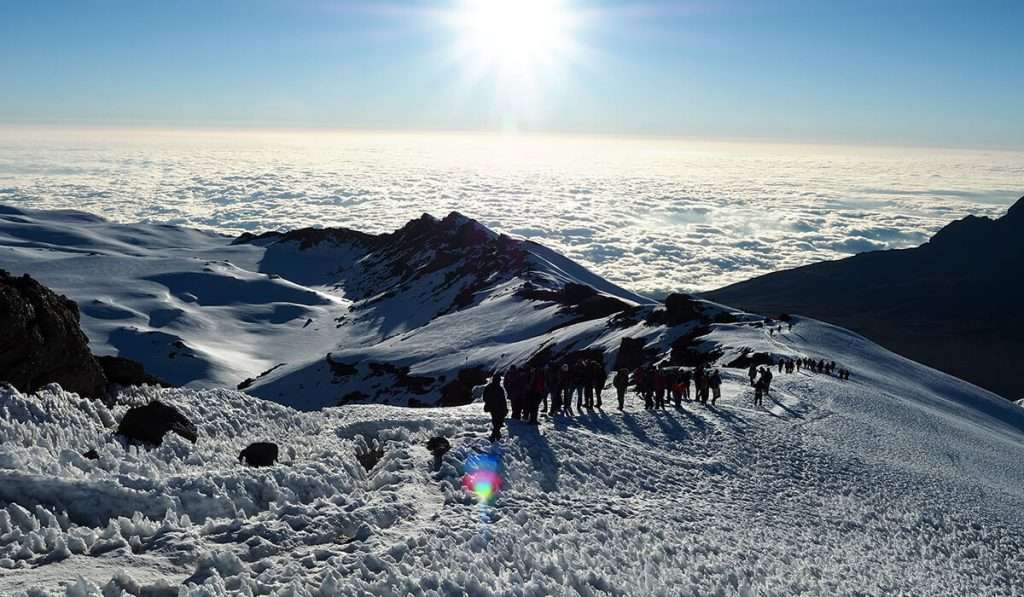
These zones allow climbers to experience a range of climates and ecosystems on a single trek from lush tropical forests to arctic-like summit conditions.
4. Accessibility and Travel Tips
Mount Kilimanjaro’s location makes it one of the most accessible high-altitude peaks in the world.
- Flights: Kilimanjaro International Airport (JRO) connects to major cities in Africa, Europe, and the Middle East.
- Road Access: Paved roads from Arusha or Moshi make reaching the mountain base straightforward.
- Safari Combinations: Its proximity to northern safari parks allows visitors to combine trekking with wildlife experiences, creating a seamless Tanzania adventure.
Travel Tips:
- Acclimatize properly to reduce the risk of altitude sickness.
- Book guided treks and luxury lodges in advance, especially during peak climbing and safari seasons.
- Bring layered clothing for varied climates, sun protection, and reliable hiking gear.
- Respect local customs and natural conservation rules.
5. Why Kilimanjaro’s Location Makes It Unique
The mountain’s location provides several advantages for travelers:
- Convenience: Easy access from major cities and safari hubs.
- Versatility: Combines climbing adventures with wildlife safaris in one trip.
- Cultural Exposure: Local communities offer insights into Tanzanian culture and coffee plantations.
- Photographic Opportunities: The backdrop of the mountain against savannahs, forests, and plains is spectacular at sunrise and sunset.
Whether you are trekking to the summit, enjoying a day hike, or exploring nearby safari parks, Kilimanjaro’s northern Tanzanian location ensures travelers experience the very best of Africa’s landscapes, wildlife, and culture.
Conclusion
Mount Kilimanjaro is located in northern Tanzania, near Arusha and the Kenyan border, offering easy access to climbing routes and the northern safari circuit. Its unique position allows travelers to experience diverse ecological zones, vibrant local culture, and proximity to world-famous wildlife parks. Understanding its location helps visitors plan a seamless adventure, combining luxury safaris with high-altitude trekking for a truly unforgettable African experience.
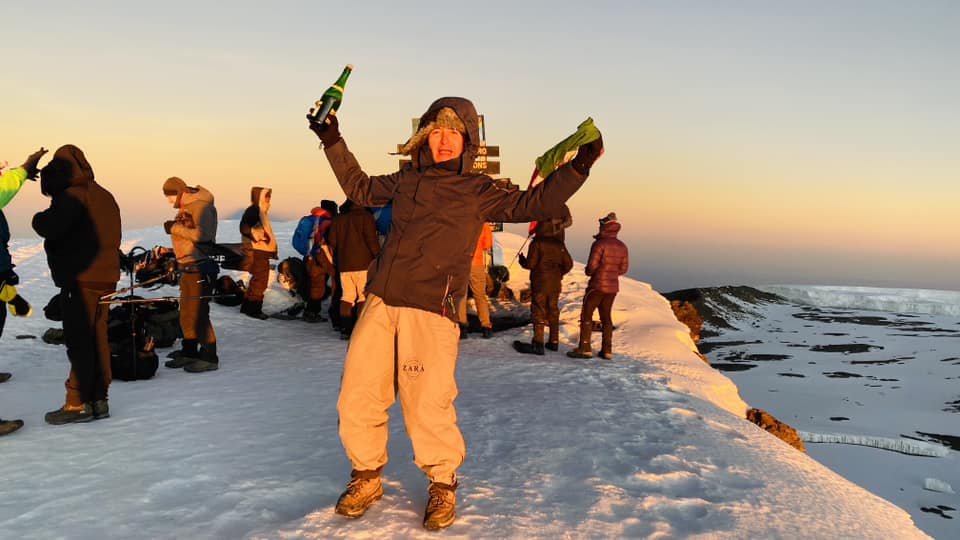
A journey to Kilimanjaro is more than a climb it is an immersion into Tanzania’s natural beauty, wildlife, and cultural richness, all set against the dramatic backdrop of Africa’s highest peak.
Your Custom Safari Journey
7day climbing mountain Kilimanjaro
Contact Us for the Best Choice of Your Safari