

When Is the Great Migration in Africa? A Complete Guide to Timing Your Safari
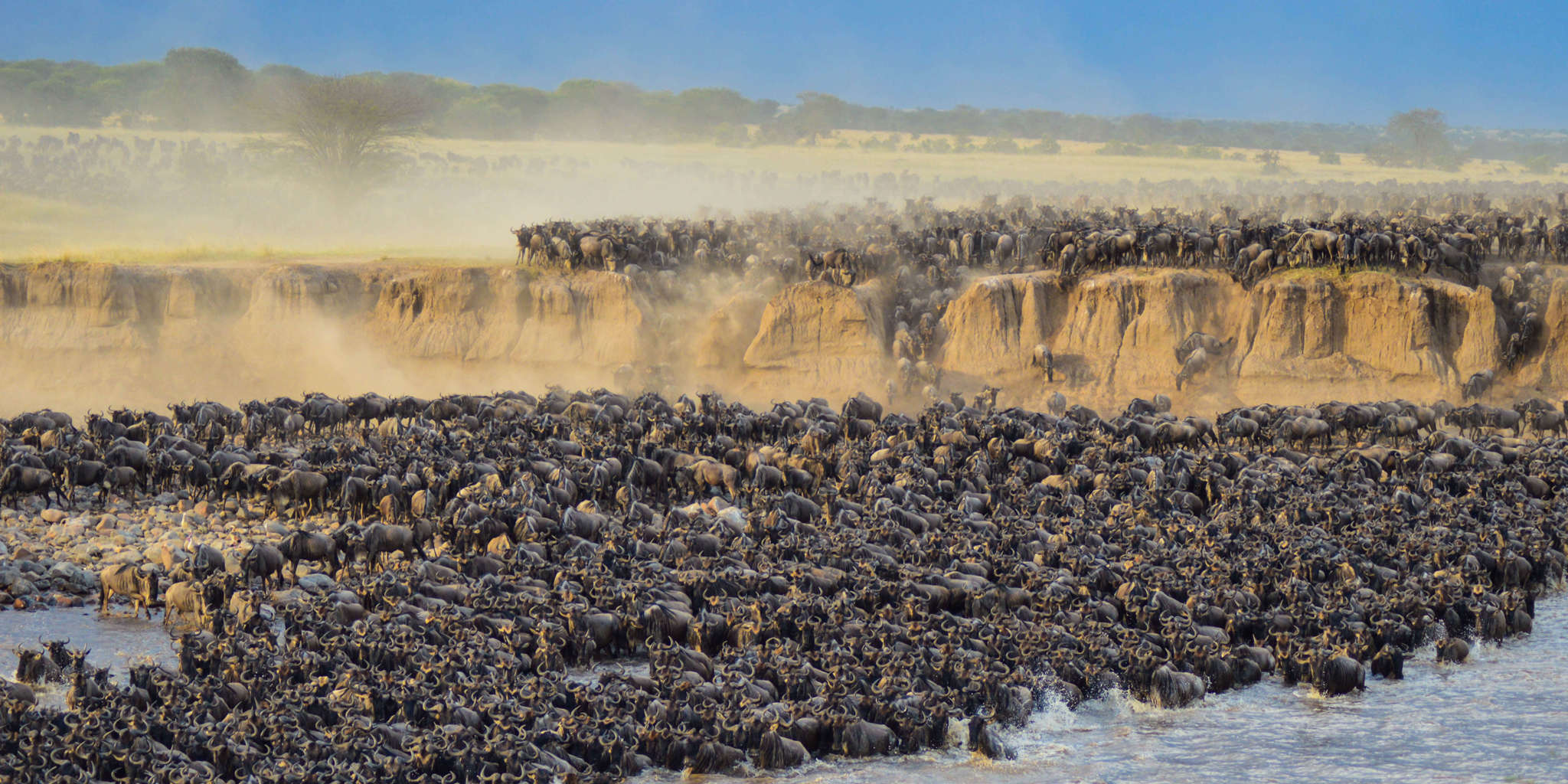
The Great Migration is one of the most extraordinary wildlife spectacles on Earth, drawing travelers from across the globe to witness millions of animals moving in a continuous cycle across East Africa. Often described as the “Greatest Show on Earth,” this natural phenomenon involves over two million wildebeest, accompanied by hundreds of thousands of zebras and gazelles, as they journey through the vast ecosystems of northern Tanzania and southern Kenya.
For anyone planning a luxury safari in Tanzania, understanding when the Great Migration occurs is essential. Unlike a single event, the migration is a year-round movement driven by rainfall patterns, grazing conditions, and instinct. This means that while the migration never truly stops, certain periods offer more dramatic and iconic moments, such as river crossings and calving season.
This guide provides a comprehensive breakdown of the migration cycle, the best times to visit, and how to plan your safari to maximize your experience.
1. Understanding the Great Migration Cycle: A Year-Round Movement
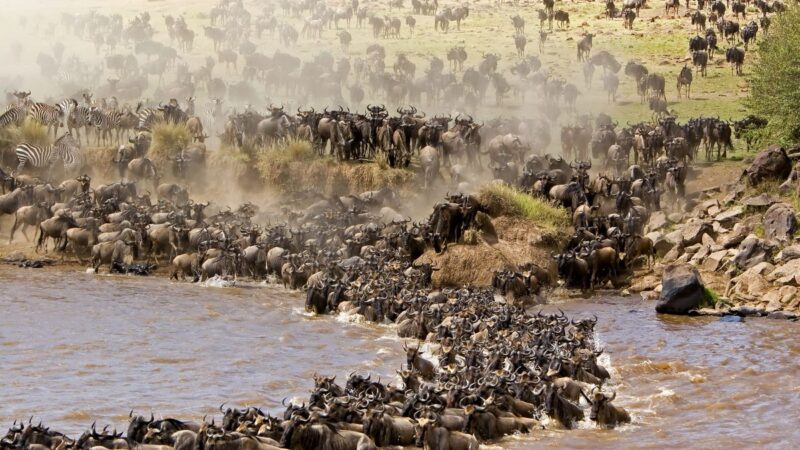
The Great Migration is not confined to one location or one moment in time. It is a continuous, circular journey through key ecosystems such as the Serengeti National Park and the Maasai Mara National Reserve. The movement is dictated primarily by rainfall, which determines where fresh grass and water are available.
January to March: Calving Season in Southern Serengeti
At the beginning of the year, the migration is concentrated in the southern plains of the Serengeti, particularly around the Ndutu area. This is calving season, when approximately 500,000 wildebeest calves are born within a short period of time.
This phase is one of the most rewarding for safari-goers:
- High predator activity (lions, cheetahs, hyenas)
- Dramatic wildlife interactions
- Excellent opportunities for photography
For travelers seeking a more intimate and emotionally powerful safari, this period offers incredible wildlife density and action.
April to May: The Long Rains and Movement North
As the rains intensify, the herds begin to move northwest through the central Serengeti. This period is often overlooked due to wetter conditions, but it offers a quieter, more exclusive safari experience.
Advantages of traveling during this time include:
- Fewer tourists
- Lush green landscapes
- Lower safari costs at luxury lodges
However, road conditions can be more challenging, and wildlife can be more dispersed.
2. The Most Iconic Moments: River Crossings and Northern Movement
When people ask, “When is the Great Migration in Africa?” they are often referring to the dramatic river crossings arguably the most famous stage of the migration.
June to July: Grumeti River Crossings
By early summer, the herds gather in the western corridor of the Serengeti, preparing to cross the Grumeti River. These crossings are unpredictable but thrilling, often involving crocodile encounters and intense survival scenes.
This is the beginning of peak safari season, especially for those seeking a luxury safari in Tanzania with high wildlife activity.
July to October: Mara River Crossings
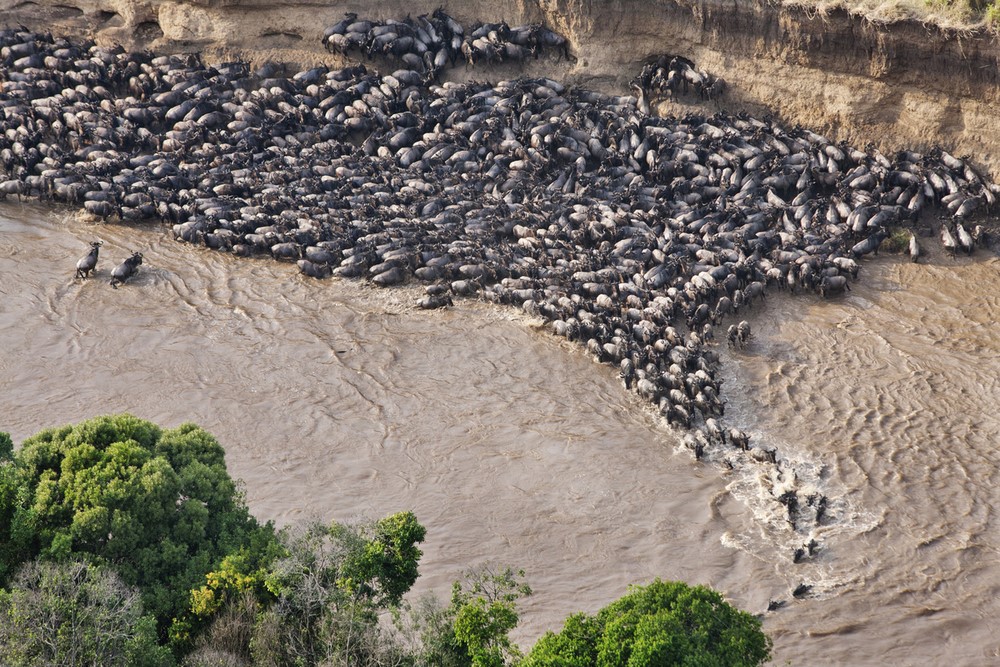
The migration reaches its most dramatic phase as herds attempt to cross the Mara River, moving between northern Serengeti and the Maasai Mara. This is the period most associated with iconic wildlife documentaries.
Key highlights include:
- Massive herds gathering at riverbanks
- Sudden, chaotic river crossings
- Predator ambushes, including crocodiles and big cats
This is widely considered the best time to witness the Great Migration, especially for first-time visitors.
However, it is also the busiest and most expensive period, requiring early booking for premium safari lodges.
3. Return Journey: Southern Movement and Renewal of the Cycle
After months in the north, the migration begins its journey back toward Tanzania, completing the cycle.
November to December: Short Rains and Return South
With the arrival of the short rains, the herds gradually move southward from Kenya into the Serengeti. The landscape becomes green again, and the animals follow the fresh grazing.
This period offers:
- Fewer crowds
- Beautiful scenery
- Excellent birdwatching opportunities
It is also a transitional phase, setting the stage for the next calving season.
Choosing the Best Time for Your Safari
The “best” time to see the Great Migration depends on what you want to experience. Each phase offers something unique:
- Calving Season (Jan–March): Best for predator action and newborn animals
- Green Season (April–May): Ideal for solitude and scenic beauty
- River Crossings (June–October): Best for dramatic wildlife encounters
- Return Phase (Nov–Dec): Great for relaxed safaris and lush landscapes
For a luxury safari in Tanzania, many travelers combine multiple regions such as the Serengeti, Ngorongoro Conservation Area, and Tarangire National Park to create a well-rounded itinerary that includes both migration viewing and diverse ecosystems.
Factors That Influence the Migration Timing
It is important to understand that the Great Migration is not fixed to exact dates. Several environmental factors influence its timing:
- Rainfall patterns: The primary driver of movement
- Water availability: Determines grazing routes
- Predator presence: Influences herd behavior
- Human impact: Conservation efforts help maintain migration routes
Because of this variability, working with experienced safari planners and guides is essential to position yourself in the right place at the right time.
Planning a Luxury Safari Around the Great Migration
To experience the Great Migration in comfort and style, careful planning is required. A well-designed itinerary ensures you are not only in the right location but also enjoying premium services and accommodations.
What to Expect on a Luxury Safari
- Private or small-group game drives
- Expert guides with deep knowledge of wildlife behavior
- High-end lodges or tented camps with exceptional service
- Personalized itineraries tailored to migration movements
Many luxury camps are mobile or semi-permanent, meaning they move seasonally to stay close to the migration herds.
Booking Tips
- Book at least 6–12 months in advance for peak season
- Choose lodges strategically based on migration phase
- Consider combining multiple parks for variety
- Travel with reputable operators for expert guidance
Conclusion
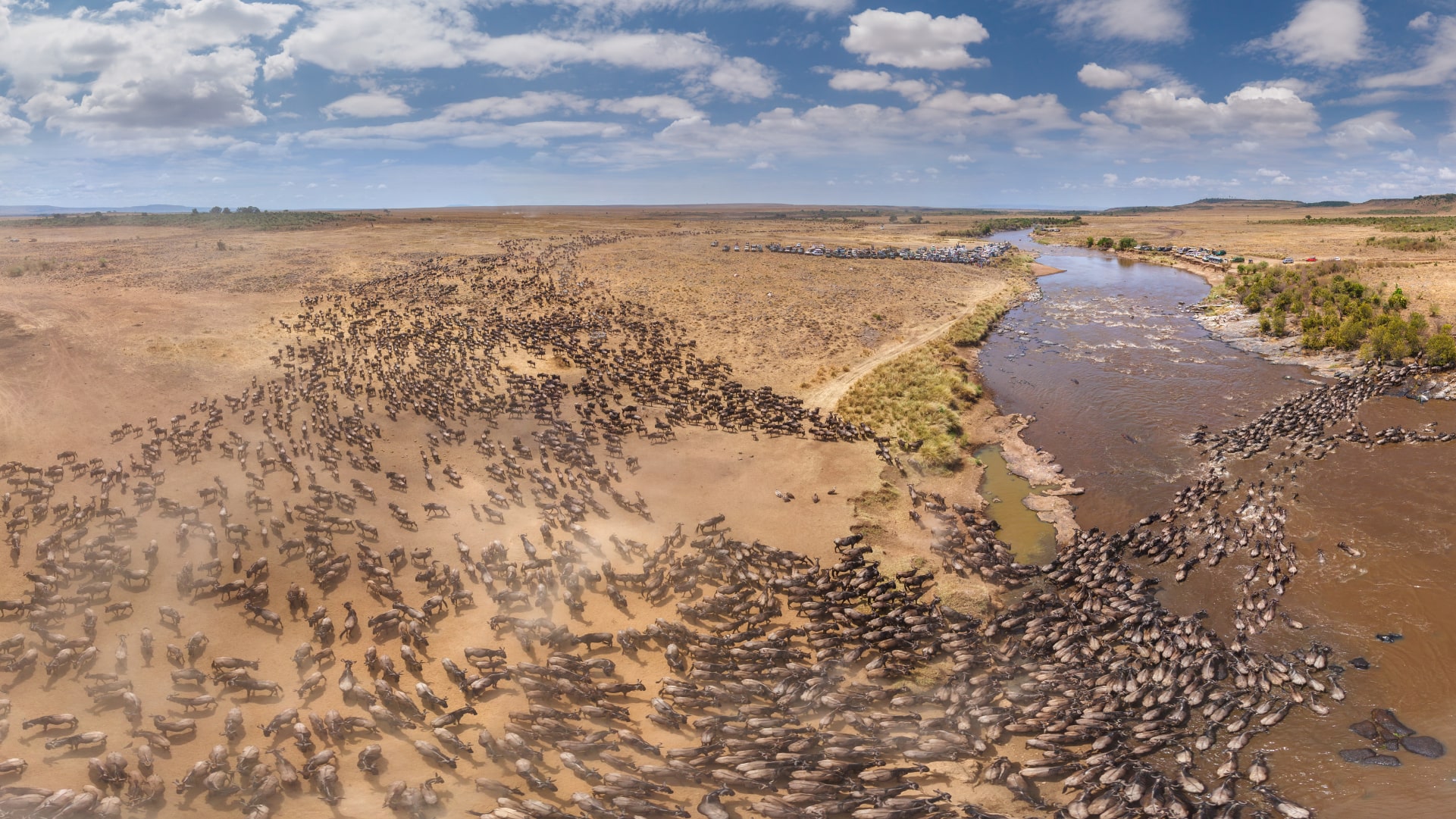
The Great Migration is not a single moment but a continuous, ever-changing journey across East Africa’s most iconic landscapes. Knowing when the Great Migration occurs allows you to align your safari with the experiences that matter most to you whether it’s witnessing newborn calves, dramatic river crossings, or vast herds stretching across the plains.
For travelers seeking a truly unforgettable experience, a luxury safari in Tanzania offers the perfect way to witness this natural wonder in comfort and style. From the sweeping plains of the Serengeti National Park to the wildlife-rich highlands of the Ngorongoro, every moment of the migration tells a story of survival, movement, and the timeless rhythm of nature.
By choosing the right time and working with experienced safari experts, you can transform your journey into a once-in-a-lifetime adventure one that captures the very essence of Africa’s wild beauty.
Tailor-Made Safari Adventure for You
7day greate migration safari or famly
6day migration safari river crossing
5day honeymoon safari with baloon
Contact Us for the Best Choice of Your Safari