

Best Time to Visit Zanzibar: A Complete Travel Guide
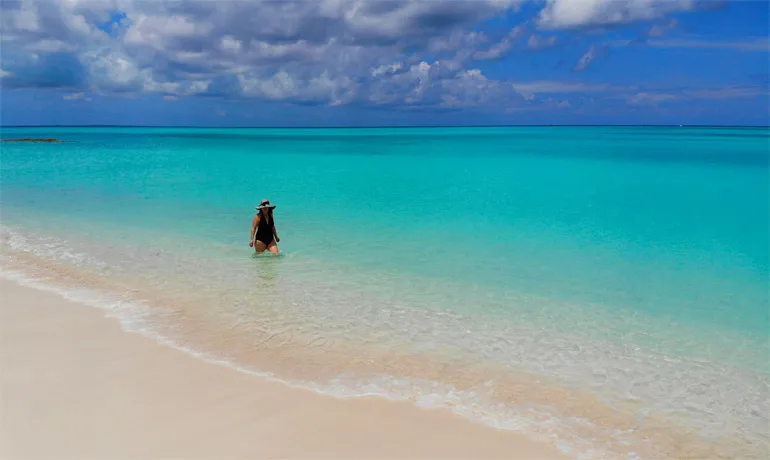
Zanzibar, Tanzania’s tropical paradise, is renowned for its pristine white-sand beaches, crystal-clear turquoise waters, vibrant coral reefs, and rich cultural heritage. From the historic streets of Stone Town to the tranquil shores of Nungwi and Kendwa, Zanzibar offers a unique blend of natural beauty, history, and luxury experiences. For travelers planning a luxury safari and beach holiday in Tanzania, understanding the best time to visit Zanzibar is essential. Weather patterns, seasonal variations, and local events all influence the quality of your visit and the types of activities you can enjoy.
By aligning your trip with the ideal season, you can enjoy sunny beaches, calm waters, vibrant marine life, and cultural experiences without the disruptions of heavy rains or overcrowded resorts.
1. Understanding Zanzibar’s Climate
Zanzibar experiences a tropical climate, influenced by the Indian Ocean and seasonal monsoon winds. While the island enjoys warm temperatures year-round typically ranging from 25°C to 32°C (77°F to 90°F) the rainfall and humidity create distinct travel seasons. These patterns directly impact outdoor activities, water clarity, and overall comfort during your stay.
The main seasons on Zanzibar are:
- Long Rains (Masika): March to May
- Short Rains (Vuli): November to early December
- Dry Season: June to October and December to February
Each season offers unique advantages and challenges, which travelers should consider when planning their visit.
2. Peak Tourist Seasons
June to October: The Cool Dry Season
The cool dry season is widely regarded as the best time to visit Zanzibar. During these months, humidity is lower, rainfall is minimal, and skies are predominantly clear. The dry, sunny conditions make it ideal for all types of outdoor activities:
- Snorkeling and scuba diving in Mnemba Atoll or Menai Bay
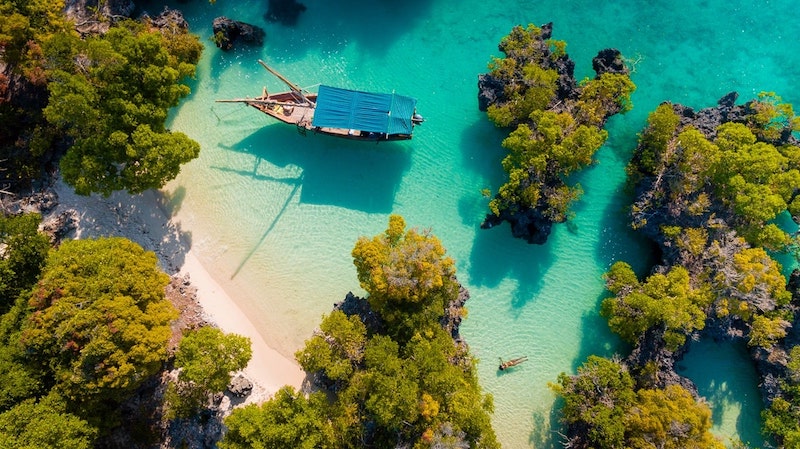
- Sailing on traditional dhow boats along the coast
- Exploring the winding streets of historic Stone Town
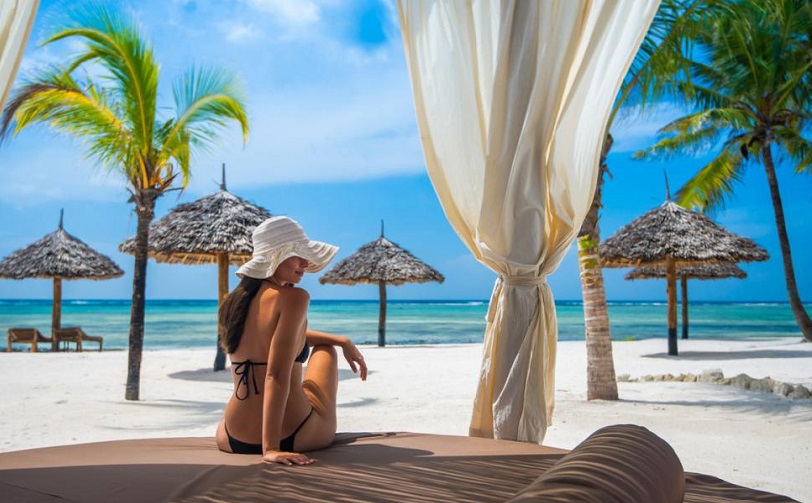
- Relaxing on the pristine beaches of Nungwi, Kendwa, or Paje
This period coincides with peak tourist season, so luxury resorts and boutique accommodations are in high demand. Booking early ensures access to the most exclusive lodges and premium beachfront villas.
December to February: Hot Dry Season
The hot dry season offers consistently sunny weather, with temperatures often exceeding 30°C (86°F). While humidity can be slightly higher than in the cool dry season, this period is perfect for travelers seeking beach holidays, romantic getaways, or sun-soaked adventures.
Highlights of this season include:
- Vibrant sunsets over the Indian Ocean
- Calm waters for kayaking, paddleboarding, and snorkeling
- Opportunities to experience local festivals and cultural events
- Ideal conditions for photography, capturing Zanzibar’s turquoise lagoons and pristine beaches
As this season overlaps with global holiday periods, travelers should anticipate higher prices and increased occupancy at premium resorts.
3. Low Season Considerations
March to May: Long Rains (Masika)
The long rainy season brings heavy but intermittent rainfall, creating lush green landscapes and cooler temperatures. While outdoor activities such as hiking or beach excursions may occasionally be disrupted, the season offers significant advantages:
- Lower prices at luxury resorts and boutique lodges
- Fewer tourists, ensuring a more private and serene experience
- Vibrant landscapes ideal for photography and nature walks
, marine conditions can be slightly rougher, so snorkeling and diving may be limited on certain days. However, the rejuvenated scenery and tranquil atmosphere can make it a rewarding time for those seeking off-season travel experiences.
November to Early December: Short Rains
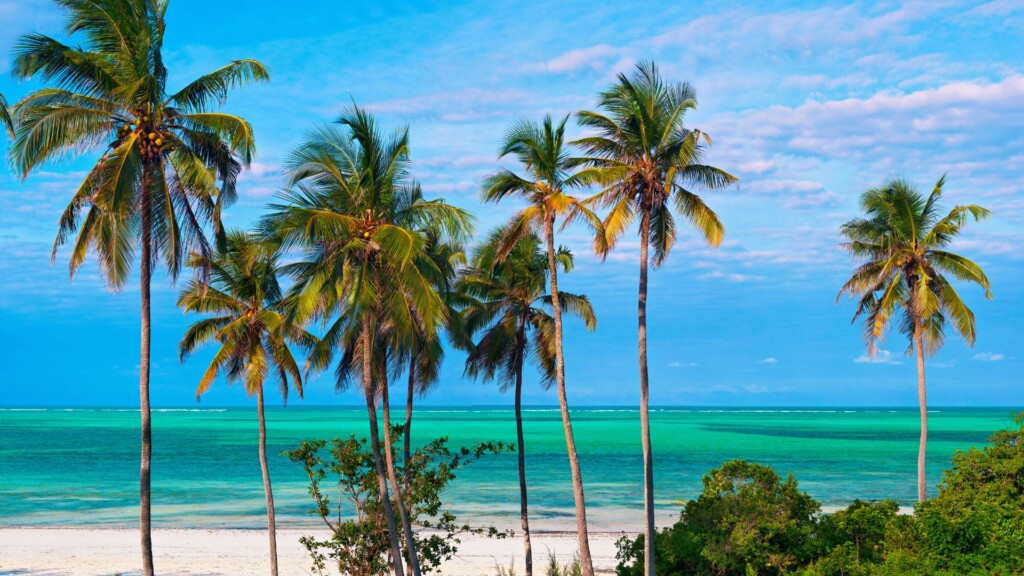
The short rains are brief and often occur at night or in early mornings, leaving most of the day sunny and enjoyable. This period offers:
- Fewer tourists, creating a sense of exclusivity at resorts and beaches
- Competitive rates on accommodations and private tours
- Pleasant weather for sightseeing and cultural activities
Short rains provide a balance between affordability, comfort, and outdoor activity, making it an appealing option for travelers who want to avoid peak-season crowds.
4. Specialty Travel Considerations
- Marine Activities: Visibility for snorkeling and diving is optimal during the dry seasons (June–October and December–February).
- Cultural Festivals: Zanzibar hosts a variety of festivals, such as the Zanzibar International Film Festival (ZIFF) in July, which offers immersive cultural experiences.
- Photography: Dry months provide clear skies, vibrant sunsets, and unobstructed views, perfect for capturing the island’s natural beauty.
- Luxury Travel: High-end resorts offer uninterrupted ocean views, private beaches, and exclusive services during dry months, enhancing the overall experience.
5. Combining Zanzibar with Safari
Zanzibar’s strategic location allows travelers to combine a beach holiday with a Tanzania safari seamlessly. For example:
- Fly from Arusha or Kilimanjaro after a wildlife safari in the northern circuit (Serengeti, Ngorongoro, Tarangire)
- Visit during June–October to align with both the Great Migration in Serengeti and ideal beach conditions
- Relax and unwind after days of game drives with luxury beachfront accommodation in Zanzibar
This combination ensures a well-rounded Tanzanian adventure, offering both wildlife encounters and tropical relaxation.
6. Summary: The Best Time to Visit Zanzibar
- Optimal Travel: June to October (cool, dry, calm waters)
- Beach & Sun Lovers: December to February (hot, dry, sunny)
- Budget & Fewer Crowds: March to May or November to early December (rainy season)
By considering these seasonal variations, travelers can plan a trip that perfectly suits their preferences, whether for sunbathing, marine adventures, cultural immersion, or luxury relaxation.
Conclusion
Zanzibar is a year-round destination, but selecting the ideal travel time enhances your experience significantly. The dry seasons offer sun, calm waters, and luxury accommodation, while the off-season provides lush landscapes, fewer crowds, and competitive rates. Combined with Tanzania’s safari circuits, Zanzibar becomes an integral part of an unforgettable African journey, blending adventure, relaxation, culture, and natural beauty.
By planning carefully, travelers can experience Zanzibar at its finest whether lounging on powder-white beaches, exploring vibrant coral reefs, or immersing themselves in the island’s rich history and culture.
Your Custom Safari Journey
9day luxury safari and relaxation
Contact Us for the Best Choice of Your Safari